Water independence has become an increasingly popular topic among homeowners, preppers, homesteaders, and people interested in off-grid living. With concerns about drought, rising utility costs, infrastructure problems, and emergency preparedness, many consumers are looking for alternative ways to secure a dependable water supply.
One product that has attracted attention in 2026 is Water Freedom System.
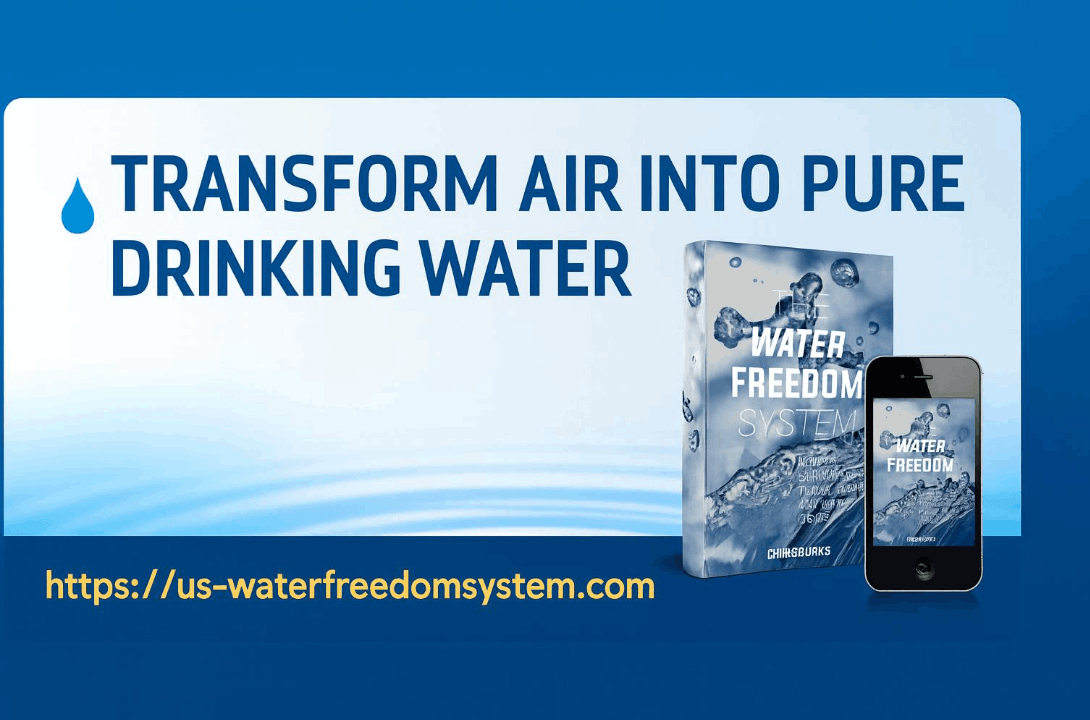
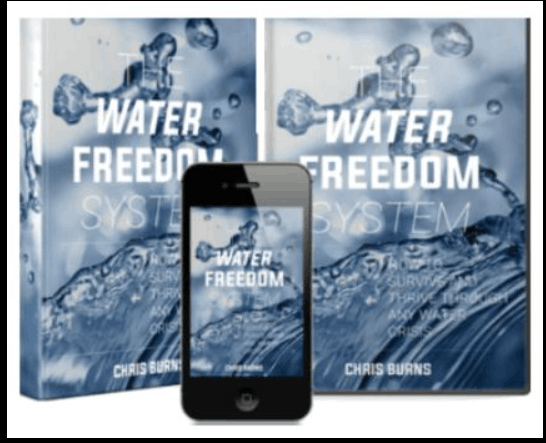
The name may make it sound like a complete water-generating machine, but that is one of the first things prospective buyers need to understand. Water Freedom System is primarily a digital DIY guide and blueprint rather than a ready-to-use atmospheric water generator. The guide is designed to explain how users can build their own system that collects moisture from the air through condensation.
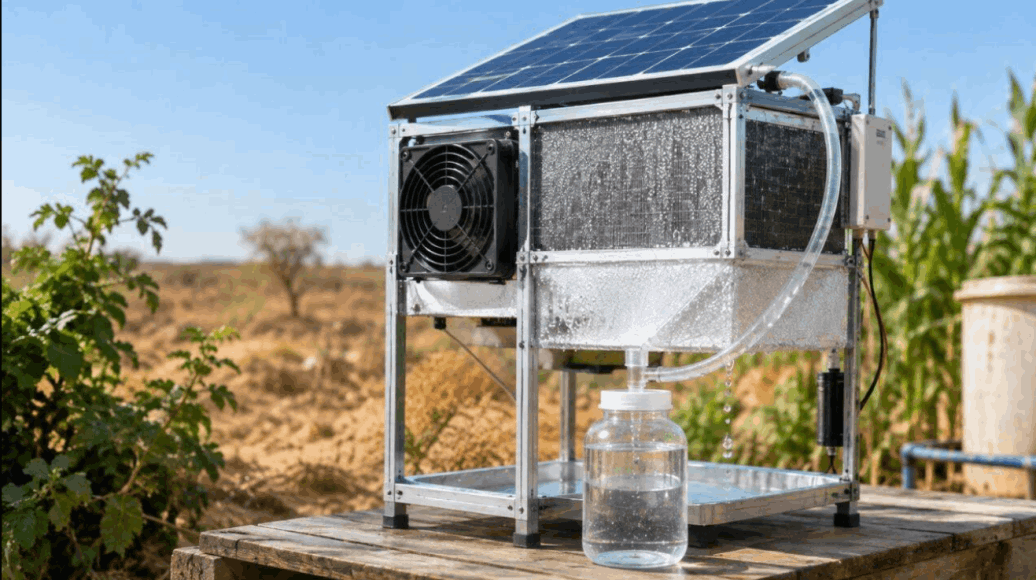
The basic technology behind the idea is not new or imaginary. Atmospheric water generation, commonly called AWG, uses the moisture naturally present in air and converts water vapor into liquid water. Commercial machines already use this general principle.
"The Water Freedom System changed my life completely. I installed it in my home and now produce fresh drinking water every single day without relying on municipal supplies."
"Living in Florida with high humidity, this system works perfectly for our family. We save hundreds on bottled water and feel great knowing our water is pure and clean."
"I was skeptical at first, but the Water Freedom System exceeded all my expectations. Setup was straightforward, and the water quality is exceptional. Best investment I've made for my family's health."
Water Freedom System is marketed as a digital instructional program for building a DIY atmospheric water generator.
Rather than shipping a finished appliance, the product provides information intended to help users construct their own setup using separately purchased components. Public descriptions of the product identify it as a digital guide containing instructions, diagrams or blueprints, component information, and guidance related to collecting and treating atmospheric water.
The basic concept can be summarized as:
Air → Cooling → Condensation → Collection → Filtration → Storage
The system draws humid air into the device. The air is cooled sufficiently for some of its water vapor to condense. The resulting droplets are collected and then passed through appropriate treatment or filtration before storage.
This is broadly similar to what happens inside a conventional dehumidifier. A dehumidifier pulls moisture from the air and turns it into liquid water.
The difference is that an atmospheric water generator is designed around the goal of collecting that condensation as a usable water source.
According to the product's promotional information, the guide is aimed at people interested in DIY projects, preparedness, off-grid living, alternative water sources, and greater household self-reliance.
One particularly important distinction is that buying the guide does not mean receiving the complete physical water generator. The hardware and components needed for construction have to be obtained separately.
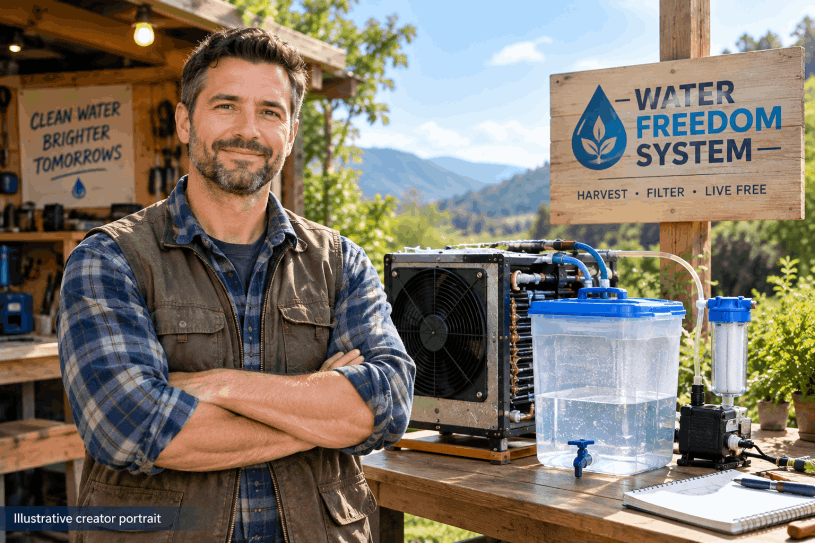
The creator most commonly identified with Water Freedom System is Chris Burns.
Chris Burns is described as a farmer from Fresno, California, who became interested in alternative water-generation methods after experiencing water shortages and drought conditions. The story presented around the product says that he developed a DIY approach based on atmospheric water-generation principles and eventually turned his experience into the Water Freedom System guide.
The guide is intended to teach people how to build an atmospheric water generator (AWG)—a system that uses condensation to extract moisture from air and then collects and filters it.
Water Independence
Water Freedom System offers a DIY approach to generating water by collecting moisture from the surrounding air. It can provide an alternative or supplemental water source for households. This may be particularly appealing to people interested in greater self-sufficiency.
DIY-Friendly Design
The system is designed for people who enjoy building and assembling practical projects. Instead of purchasing a complete commercial unit, users can follow the provided guidance and construct their own setup. This also gives users more control over individual components.
Lower Initial Cost
The digital guide is generally less expensive than purchasing a commercial atmospheric water generator. Users can source components separately and potentially control their overall budget. However, hardware, electricity, maintenance, and filtration costs should also be considered.
Useful for Preparedness
Water Freedom System can be appealing to people preparing for water shortages, emergencies, or supply interruptions. It may serve as a supplemental water-generation option when conventional sources are unavailable or unreliable.
Uses Moisture From Air
The system is based on atmospheric water generation, which collects water vapor naturally present in the air. This means it doesn't depend directly on a well, river, or municipal water connection. Its effectiveness, however, depends heavily on local humidity and temperature.
Customizable System
Because it follows a DIY approach, users may have flexibility in choosing components and adapting the setup to their available space and requirements. This can also make individual components easier to inspect, replace, or upgrade when necessary.
Educational Value
The guide can help users understand the basic principles behind condensation, atmospheric moisture collection, filtration, and water storage. For DIY enthusiasts, building the system can provide practical knowledge rather than simply operating a finished appliance.
Suitable for Humid Environments
Atmospheric water generation generally performs better when the surrounding air contains more moisture. Therefore, people living in humid or moderately humid climates may have more favorable conditions for the system than those in very dry environments.
Depends on Humidity
The system relies on moisture present in the surrounding air, so its performance can vary significantly with weather and climate. In very dry conditions, there may be much less water available to collect. This means output is not guaranteed to remain consistent throughout the year.
Requires Electricity
The condensation process requires energy to operate cooling and airflow components. This means the system isn't completely "free" once built. Electricity consumption can also increase when atmospheric conditions are less favorable.
Regular Maintenance
The system requires cleaning, inspection, and replacement of components such as filters. Poor maintenance could reduce performance and potentially affect water quality. Users need to be prepared for ongoing upkeep.
Less Suitable for Very Dry Areas
People living in arid environments may find the system less practical because the air contains relatively little moisture. Lower humidity can reduce water production and increase the energy required to collect each unit of water.
The Water Freedom System offers a 60-day money-back guarantee that lets customers try the product with no risk. Return it within 60 days for a full refund if you're not completely satisfied. The company stands behind its quality this way, with warranty periods that change based on the package you pick for added protection.
The Water Freedom System is a digital DIY guide that explains how to build an atmospheric water generator (AWG). The concept involves extracting moisture from humid air, condensing it into water, and then filtering and storing the collected water.
No. Water Freedom System is a digital guide/blueprint, not a ready-to-use machine. You need to purchase or source the required components separately and assemble the system yourself.
The digital guide has commonly been advertised at around $39.69, although pricing can change. The cost of hardware and components needed to build the system is additional.
Potentially, but condensation alone does not guarantee drinking-water safety. Proper filtration, sanitation, food-safe components, storage, and ideally water-quality testing are important before consuming the water.
No. Atmospheric water generation generally performs better when the air contains more moisture. Hot, humid conditions are usually more favorable, while very dry environments can produce substantially less water and require more energy.
The total DIY cost depends on the components you choose and your setup. Some online estimates put a basic build in the few-hundred-dollar range, but actual costs can be higher depending on cooling, filtration, storage, and electrical requirements.
Yes. A condensation-based atmospheric water generator requires energy to cool humid air below its dew point. Operating costs therefore depend partly on electricity prices and system efficiency.
Potentially, yes. A suitable solar-panel and battery setup can provide electricity for an atmospheric water generator. The required solar capacity depends on the generator's power consumption, operating schedule, climate, and battery requirements.
It can potentially reduce reliance on single-use plastic bottles, but the system still consumes energy. Its overall environmental impact depends on factors such as electricity source, system efficiency, component lifespan, maintenance, and how much bottled water it replaces.
Your online privacy is one thing you can be sure we so much prioritize here and thus do not worry about losing any sensitive credentials while making your purchase of from us. Besides, You can count on Clickbank's excellent reputation and vast experience in online transactions to help protect your purchases.
According to the team of experts who created Water Freedom System, the manufacturers have come up with an amazing refund policy. So, as you buy any of the above-mentioned packages, you will be provided with a great 60-day 100% money-back guarantee.
If in any case this Product does not work for you or if you’re unsatisfied with the effects of the formula for any reason, then you are entitled to a complete refund with no questions asked.
Email : contact@us-waterfreedomsystem.com
Drag and Drop Website Builder